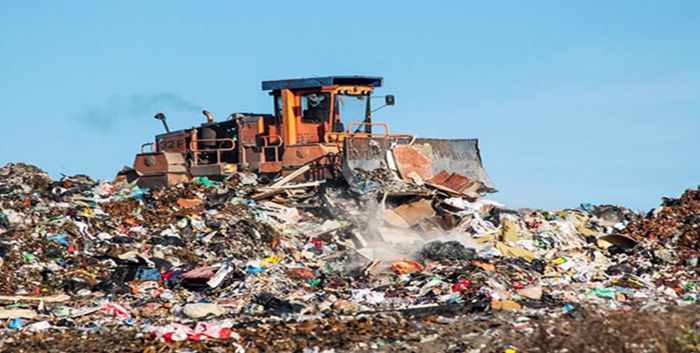
Understanding the Kerawalapitiya Fire: A Local Environmental Challenge
In an age of information overload, it's easy for disparate topics to become inadvertently linked in online discourse. One such instance that merits clarification involves the significant environmental issue of the décharge Kerawalapitiya feu – or the Kerawalapitiya landfill fire – and the operational specifics of Delta Air Lines' in-flight meal and food service. While both are topics of considerable public interest, they exist in entirely different spheres, with no functional or contextual relationship. This article aims to disentangle these subjects, providing a comprehensive look at each and explaining why any perceived connection is fundamentally misplaced.
The Kerawalapitiya landfill, situated near the bustling capital city of Colombo in Sri Lanka, has unfortunately gained notoriety for periodic outbreaks of fire. These incidents, often referred to as the décharge Kerawalapitiya feu, are not mere accidental blazes but complex environmental challenges stemming from the nature of landfill operations. Landfills are inherently susceptible to fires due to several factors:
- Methane Gas Accumulation: The decomposition of organic waste generates methane, a highly flammable greenhouse gas. When trapped within the landfill, it can spontaneously ignite or be easily triggered by external sources like discarded hot ashes or sparks.
- Heat Generation: Chemical reactions and biological decomposition within the vast waste pile can generate significant internal heat, leading to spontaneous combustion, especially in deep-seated waste layers.
- Hazardous Materials: Improperly disposed materials such as batteries, certain chemicals, and electronic waste can react with other substances or spark, escalating fire risks rapidly.
- Lack of Proper Management: Insufficient daily cover, inadequate gas collection and ventilation systems, and poor waste compaction practices can exacerbate fire hazards, making a landfill a ticking time bomb.
The environmental and public health implications of a décharge Kerawalapitiya feu are profound. Such fires release a cocktail of toxic fumes, including dioxins and furans, and particulate matter into the atmosphere, leading to severe air pollution that can drift for miles. Residents in surrounding areas often report respiratory problems, eye irritation, nausea, and other acute and chronic health issues. Furthermore, these fires contribute significantly to greenhouse gas emissions, impacting global climate change, and can contaminate soil and groundwater through leachate runoff that carries heavy metals and other pollutants. Addressing the root causes of landfill fires at Kerawalapitiya requires robust waste management strategies, including comprehensive waste segregation at source, advanced recycling and composting initiatives, and the implementation of modern landfill technologies designed to capture methane for energy generation and prevent spontaneous combustion through effective capping and monitoring.
Delta In-Flight Service: A Focus on Passenger Experience and Cuisine
Shifting gears entirely, Delta Air Lines' in-flight meal and food service represents a crucial aspect of the modern airline passenger experience. Far from environmental disasters, this topic revolves around culinary offerings, service quality, and passenger comfort at 30,000 feet. Discussions around Delta's in-flight service, frequently found on dedicated travel forums like FlyerTalk, delve into myriad details that impact traveler satisfaction and loyalty:
- Meal Offerings and Quality: Passengers keenly discuss the variety, taste, and presentation of meals, snacks, and beverages offered across different cabin classes (Economy, Economy+, Premium Select, Delta One) and international versus domestic routes. There's often a focus on fresh ingredients and innovative menu choices.
- Service Standards: The efficiency, attentiveness, and professionalism of the cabin crew are consistently evaluated, significantly influencing overall passenger satisfaction. Exceptional service can turn a routine flight into a memorable experience.
- Dietary Accommodations: The availability and quality of special meals (vegetarian, vegan, gluten-free, kosher, halal, diabetic, etc.) are critical for a diverse global passenger base, with specific requests requiring careful logistical planning.
- Lounge vs. In-Flight Experience: Frequent travelers often make comparisons between the food and beverage options available in Delta Sky Clubs and those served on board, highlighting the continuous dining experience from ground to air.
- Menu Cycles and Innovation: Travelers are interested in how often menus change, what new dishes are introduced, and any partnerships with celebrity chefs or local suppliers that might elevate the dining experience.
For Delta, in-flight service is a key differentiator in a highly competitive airline industry. It's not merely about providing sustenance but enhancing the overall travel journey, reinforcing brand loyalty, and justifying fare prices for premium services. The meticulous planning involved spans everything from sourcing sustainable ingredients and developing culinary concepts to complex logistics, catering operations, and delivery, all while adhering to stringent aviation safety and hygiene standards. Customer feedback, often gathered through surveys and online forums, plays a vital role in shaping future service enhancements and menu adjustments.
Why There's No Connection: Clarifying Information Silos
The core assertion of this article, as highlighted by various data analysis attempts and online discussions, is the fundamental absence of any link between the décharge Kerawalapitiya feu and Delta Air Lines' in-flight meal service. As explicitly noted in metadata reviews and forum analyses, content pertaining to Delta's culinary offerings does not, and logically would not, contain information about a landfill fire in Sri Lanka. This lack of overlap is not an oversight but a natural consequence of their distinct natures and geographical separation.
- Geographical Disparity: The Kerawalapitiya landfill is located in Sri Lanka, a South Asian island nation. Delta Air Lines, while an international carrier, primarily operates out of major hubs in the United States, with a global network that may include flights to or near Sri Lanka, but its operational focus on in-flight catering is global, not localized to specific environmental incidents in distant lands.
- Operational Focus: Delta's in-flight service is a complex business operation focused on passenger comfort, logistics, and brand reputation within the highly regulated aviation industry. The Kerawalapitiya fire, conversely, is an environmental crisis stemming from municipal waste management in a specific locality, falling under the purview of local and national environmental agencies. There is no shared supply chain, operational dependency, or strategic interest that would naturally connect these two entities.
- Subject Matter: One deals with waste disposal, environmental remediation, and public health infrastructure; the other with airline hospitality, logistics, and culinary presentation. They are entirely different subject matters, appealing to different stakeholders and requiring distinct expertise and information channels.
- Information Context: When discussions arise about Delta's in-flight meals, the context is invariably about travel experience, food quality, service standards, and airline operations. Conversely, discussions about the décharge Kerawalapitiya feu are centered on environmental policy, public health, waste management challenges, and local governance.
It is crucial for information consumers to understand that the absence of a topic in a specific content thread (like a Delta in-flight meal forum) doesn't imply an attempt to hide information or a gap in data. Rather, it signifies that the topics are genuinely unrelated and belong to separate information domains. For those interested in understanding the nuances of how such unrelated topics might appear in search results or data analysis, exploring concepts like broad keyword matching, data indexing, or even user-generated content miscategorization can be insightful.
To further illustrate this separation and understand the logical reasons behind it, you might find these related discussions informative: Why Delta In-Flight Meals Don't Cover Kerawalapitiya Feu and Kerawalapitiya Décharge Fire: Not Found in Delta Service Articles.
Practical Implications and Information Literacy
Understanding the clear distinction between the Kerawalapitiya landfill fire and Delta's in-flight service is more than just an exercise in categorization; it underscores the importance of information literacy in the digital age. When encountering seemingly disparate topics, it's vital to assess their genuine relationship rather than assuming a connection based on proximity in search results or the sheer volume of online data.
For Environmental Awareness and Action (Kerawalapitiya):
If your interest lies in the critical challenges posed by the décharge Kerawalapitiya feu, actionable insights would focus on:
- Supporting Sustainable Waste Management: Advocate for and actively participate in local recycling programs. Support policies that promote waste reduction, reuse, and proper disposal infrastructure at all levels of government.
- Community Engagement: Get involved with local environmental groups in Sri Lanka or international organizations working on waste management solutions. Raise awareness about the health and environmental impacts of landfill fires within your networks.
- Staying Informed: Follow reputable news sources, academic research, and environmental agencies for accurate, up-to-date information on waste management initiatives and landfill safety protocols in the region and globally.
These issues highlight a critical global challenge: managing urban waste sustainably and responsibly. Countries worldwide grapple with the consequences of inadequate waste disposal, with landfill fires being a stark, visible symptom. The Kerawalapitiya situation serves as a poignant reminder of the urgent need for investment in modern infrastructure, robust policy reform, and widespread public education regarding waste minimization and proper disposal.
For Enhancing Your Travel Experience (Delta):
If your focus is on maximizing your enjoyment of Delta's services, particularly their culinary offerings, consider these practical tips:
- Research Before You Fly: Always check Delta's official website or reputable travel forums for up-to-date information on meal service, menu options, and specific offerings for your route and cabin class. Menus can vary significantly based on flight duration, destination, and time of day.
- Communicate Dietary Needs: If you have specific dietary requirements (allergies, religious, or health-related), always pre-order special meals well in advance of your flight, typically 24-48 hours prior. Confirm your request with the gate agent or cabin crew upon boarding.
- Provide Constructive Feedback: Airlines value constructive criticism. Use Delta's official feedback channels (post-flight surveys, customer service) to share your experiences, positive or negative, regarding the in-flight service. This helps them refine and improve their offerings for all passengers.
- Understand Cabin Differences: Be aware that the quality, variety, and scope of meal service differ greatly between Economy, Premium Economy, and Delta One. Manage your expectations accordingly, or consider upgrading for a significantly enhanced culinary experience.
Delta, like many major airlines, continually strives to enhance its passenger experience, from comfortable seating to innovative meal options and entertainment. Their commitment is to the journey itself, ensuring that passengers arrive at their destination not just safely, but also comfortably and with a positive impression of their service excellence.
Conclusion: Two Worlds Apart
In summation, the Kerawalapitiya landfill fire and Delta Air Lines' in-flight meal service represent two entirely distinct domains of public interest. One highlights a critical environmental and public health crisis in Sri Lanka, demanding urgent attention for improved waste management practices and pollution control. The other pertains to the customer experience and logistical excellence within the global aviation industry, specifically focusing on passenger comfort and culinary offerings designed to enhance the travel journey. While both are significant topics warranting thorough examination, any attempt to conflate or directly connect them is based on a misunderstanding of their respective contexts, operational realities, and geographical separation. Our goal here has been to clearly delineate these areas, reinforcing that while information on both is readily available, their narratives and impacts remain separate, demonstrating the vital importance of precise information retrieval and contextual understanding in navigating the vast and often interconnected landscape of online data.